

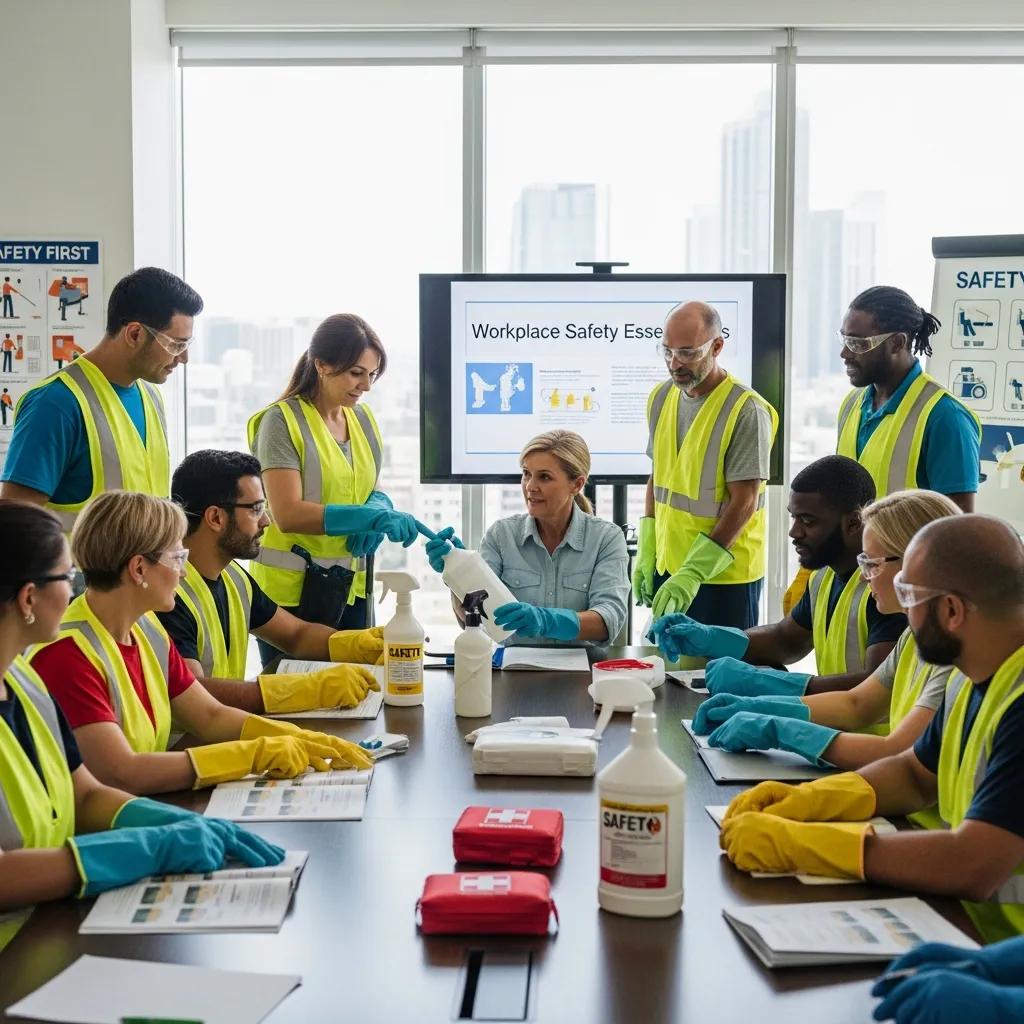
Create Robust Workplace Safety Programs: Custom Solutions for Your Business Needs
Creating a robust workplace safety program is essential for any business, particularly in the cleaning industry where employees face unique hazards. A well-structured safety program not only protects employees but also enhances overall productivity and compliance with occupational health regulations. This article will explore the essential components of effective workplace safety programs, how to conduct comprehensive hazard assessments, best practices for employee safety training, and the impact of safety compliance on cleaning service operations. By understanding these elements, businesses can develop custom safety solutions that meet their specific needs and ensure a safer work environment.
What Are the Essential Components of Effective Workplace Safety Programs?
Effective workplace safety programs are designed to minimize risks and protect employees from potential hazards. These programs typically include several key components that ensure comprehensive safety measures are in place.
- Risk Assessment: Identifying potential hazards in the workplace is the first step in developing a safety program. This involves evaluating the work environment and understanding the specific risks associated with cleaning tasks.
- Safety Protocols: Establishing clear safety protocols tailored to the specific needs of the cleaning industry is crucial. These protocols should address the use of personal protective equipment (PPE), safe handling of cleaning chemicals, and emergency procedures.
- Training and Education: Regular training sessions for employees on safety practices and protocols are essential. This ensures that all staff members are aware of the risks and know how to mitigate them effectively.
How Do Customized Safety Protocols Enhance Employee Protection?
Customized safety protocols significantly enhance employee protection by addressing the unique challenges faced in the cleaning industry. For instance, protocols can be tailored to include specific training on the safe use of cleaning agents and equipment. This not only reduces the risk of accidents but also fosters a culture of safety within the organization. Employees who feel safe are more likely to be engaged and productive, leading to better overall performance.
Which Occupational Health and Safety Plans Comply with Industry Standards?
Compliance with industry standards is a critical aspect of any workplace safety program. Organizations must adhere to regulations set forth by bodies such as (Occupational Safety and Health Administration). This includes implementing safety plans that meet or exceed these standards, ensuring that all safety measures are documented and regularly reviewed. By doing so, businesses not only protect their employees but also avoid potential legal issues and fines.
This commitment to compliance is further supported by studies emphasizing that the primary goal of any organization is to conduct its operations safely and in full adherence to regulations.
Regulatory Compliance for Safe Operations
operations’ involvement has on the regulatory compliance programs varies depending on the activities carried out by the operations. The goal of the maintenance organization is to carry out the work in a safe and compliant manner.
Maintenance management and regulatory compliance strategies, 2003
How to Conduct a Comprehensive Workplace Hazard Assessment for Your Business?
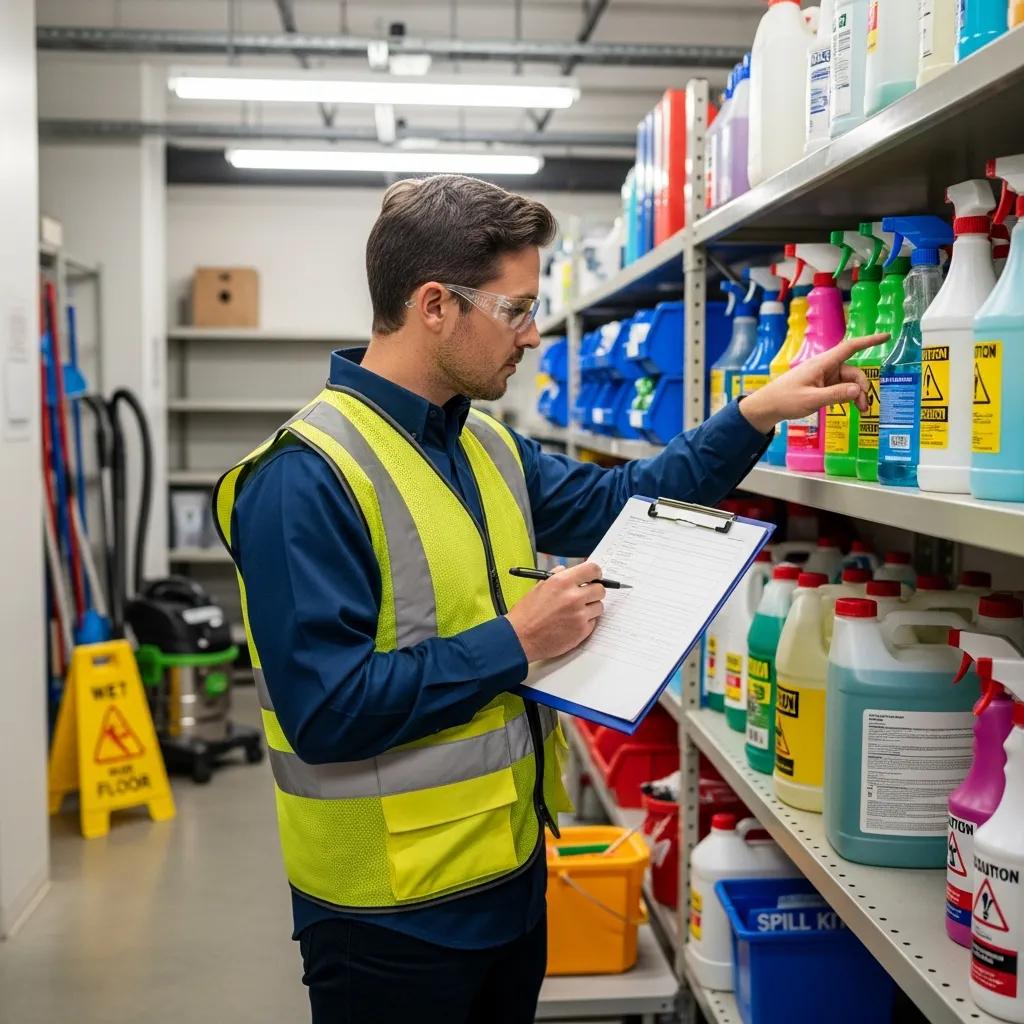
Conducting a comprehensive workplace hazard assessment is vital for identifying risks and implementing effective safety measures. This process involves several key steps that help businesses understand their specific safety needs.
- Identify Hazards: Begin by identifying potential hazards in the workplace, including physical, chemical, and ergonomic risks. This can be done through employee surveys, inspections, and reviewing incident reports.
- Evaluate Risks: Once hazards are identified, evaluate the risks associated with each one. This involves determining the likelihood of an incident occurring and the potential severity of its consequences.
- Implement Control Measures: After evaluating risks, implement control measures to mitigate them. This may include engineering controls, administrative changes, or personal protective equipment.
What Are Common Hazards in Cleaning Services and How to Identify Them?
In the cleaning industry, common hazards include slips, trips, and falls, exposure to harmful chemicals, and ergonomic injuries from repetitive tasks. Identifying these hazards involves regular inspections and employee feedback. Training staff to recognize these risks is also essential, as it empowers them to take proactive measures to avoid accidents.
Further emphasizing the critical nature of this step, research highlights the diverse range of hazards prevalent in cleaning services and the importance of thorough identification.
Hazard Identification & Risk Assessment in Cleaning Services
The risk matrix can be discovered by first identifying the hazards at the work stages. The cleaning service occupation has a risk of hazards during work. Cleaning service occupation becomes a job which often intersects with biological, ergonomic, physical, chemical and psychological hazards. If these hazards are not handled properly, they can cause work accidents, illness and even fatality. Identifying hazards at work is the initial stage before conducting risk assessment and mapping.
The Risk Matrix of Occupational Health and Safety on Cleaning Service Occupation in Universitas X Ponorogo, DA Arifah, 2023
Which Tools and Methods Support Effective Hazard Assessments?
Several tools and methods can support effective hazard assessments in the workplace. These include:
- Checklists: Utilizing safety checklists can help ensure that all potential hazards are evaluated systematically.
- Safety Audits: Conducting regular safety audits allows businesses to assess the effectiveness of their safety programs and make necessary adjustments.
- Incident Reporting Systems: Implementing a system for reporting incidents and near misses can provide valuable data for improving safety measures.
What Are Best Practices for Employee Safety Training Programs?
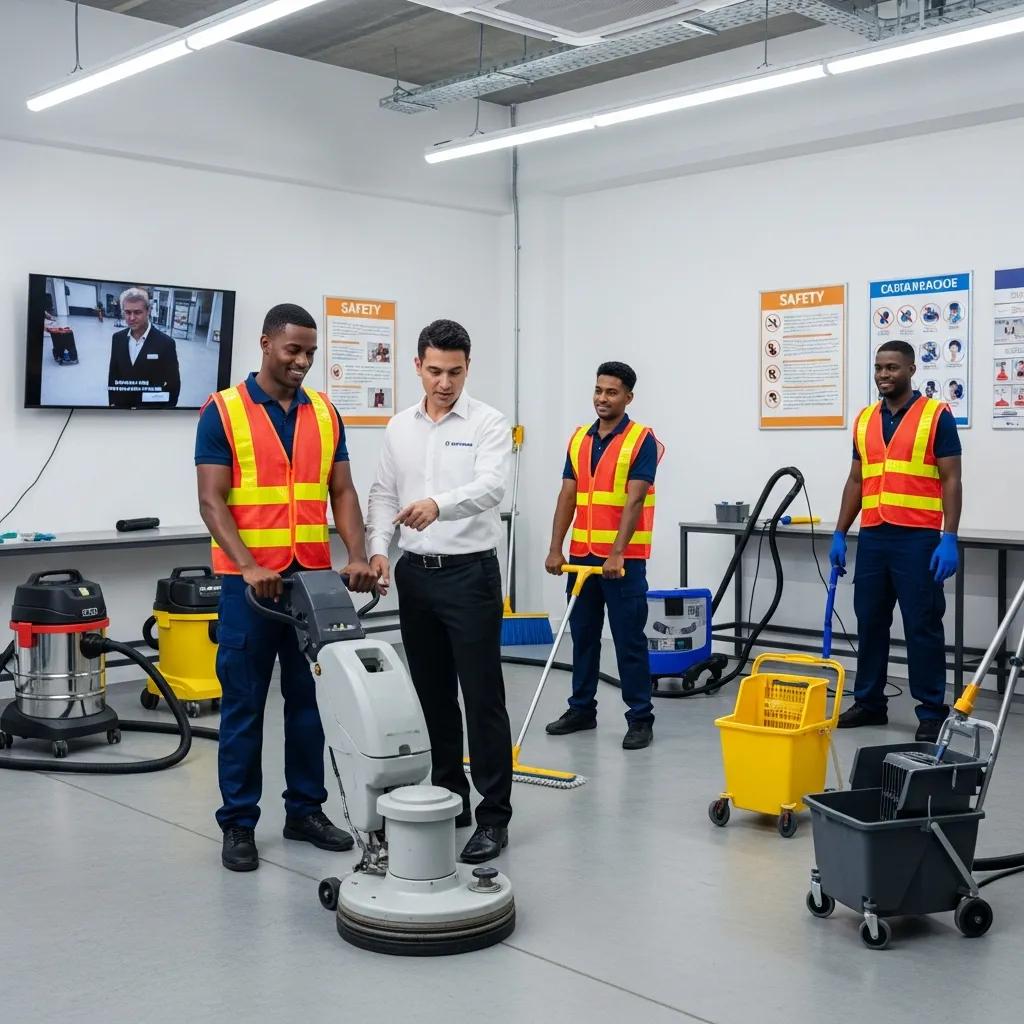
Employee safety training programs are crucial for fostering a safe work environment. Best practices for these programs include:
Indeed, research underscores that effective safety education and training are paramount for preventing incidents, highlighting key components that contribute to successful interventions.
Effective Workplace Safety Training Components
Safety education and training are considered critical to the prevention of these incidents. This can be promoted by the dissemination and scale-out of an evidence-based, safety training programs. The aim of this study was to identify the intervention core components that comprise the “active ingredients” of a safety training intervention and assess the impact on student outcomes of interest. Results indicate that the intervention core components (safety skills training, safety inoculation training, a positive atmosphere for safety learning, and active learning techniques) had differing associations with student outcomes.
Identifying the “Active Ingredients” of a school-based, workplace safety and health training intervention, 2021
- Regular Training Sessions: Conducting regular training sessions ensures that employees are up-to-date on safety protocols and practices.
- Interactive Learning: Engaging employees through interactive training methods, such as simulations and hands-on practice, can enhance retention and understanding of safety procedures.
- Feedback Mechanisms: Establishing feedback mechanisms allows employees to voice concerns and suggest improvements to safety practices.
How to Develop Training Modules That Meet Regulatory Compliance?
Developing training modules that meet regulatory compliance involves several steps:
- Research Regulations: Understand the specific regulations that apply to your industry and ensure that training content aligns with these requirements.
- Create Comprehensive Content: Develop training materials that cover all necessary topics, including hazard recognition, emergency procedures, and proper use of PPE.
- Evaluate Effectiveness: Regularly assess the effectiveness of training modules through employee feedback and performance evaluations.
What Are Effective Strategies to Engage Cleaning Staff in Safety Initiatives?
Engaging cleaning staff in safety initiatives is essential for fostering a culture of safety. Effective strategies include:
- Incentive Programs: Implementing incentive programs that reward employees for adhering to safety protocols can motivate staff to prioritize safety.
- Open Communication: Encouraging open communication about safety concerns allows employees to feel valued and heard, leading to increased engagement.
- Safety Committees: Establishing safety committees that include employee representatives can help ensure that safety initiatives reflect the needs and concerns of all staff members.
How Does Business Safety Compliance Impact Your Cleaning Service Operations?
Business safety compliance has a significant impact on cleaning service operations. Adhering to safety regulations not only protects employees but also enhances the company’s reputation and operational efficiency.
- Reduced Liability: Compliance with safety regulations reduces the risk of legal issues and financial penalties associated with workplace accidents.
- Improved Employee Morale: A commitment to safety fosters a positive work environment, leading to higher employee morale and retention rates.
- Enhanced Productivity: When employees feel safe, they are more likely to be productive and focused on their tasks.
What Are Northern Michigan-Specific Safety Regulations for Cleaning Businesses?
In Northern Michigan, cleaning businesses must comply with specific safety regulations that address local environmental and health concerns. These regulations may include guidelines for the safe disposal of cleaning chemicals and protocols for protecting employees from exposure to hazardous materials. Staying informed about these regulations is crucial for maintaining compliance and ensuring employee safety.
How Can Custom Safety Plans Support Ongoing Compliance and Risk Reduction?
Custom safety plans are essential for supporting ongoing compliance and risk reduction. By tailoring safety plans to the specific needs of the business, organizations can ensure that all safety measures are relevant and effective. This proactive approach not only helps in maintaining compliance with regulations but also significantly reduces the risk of workplace accidents.
This table illustrates how each component of a workplace safety program contributes to overall safety and compliance.