

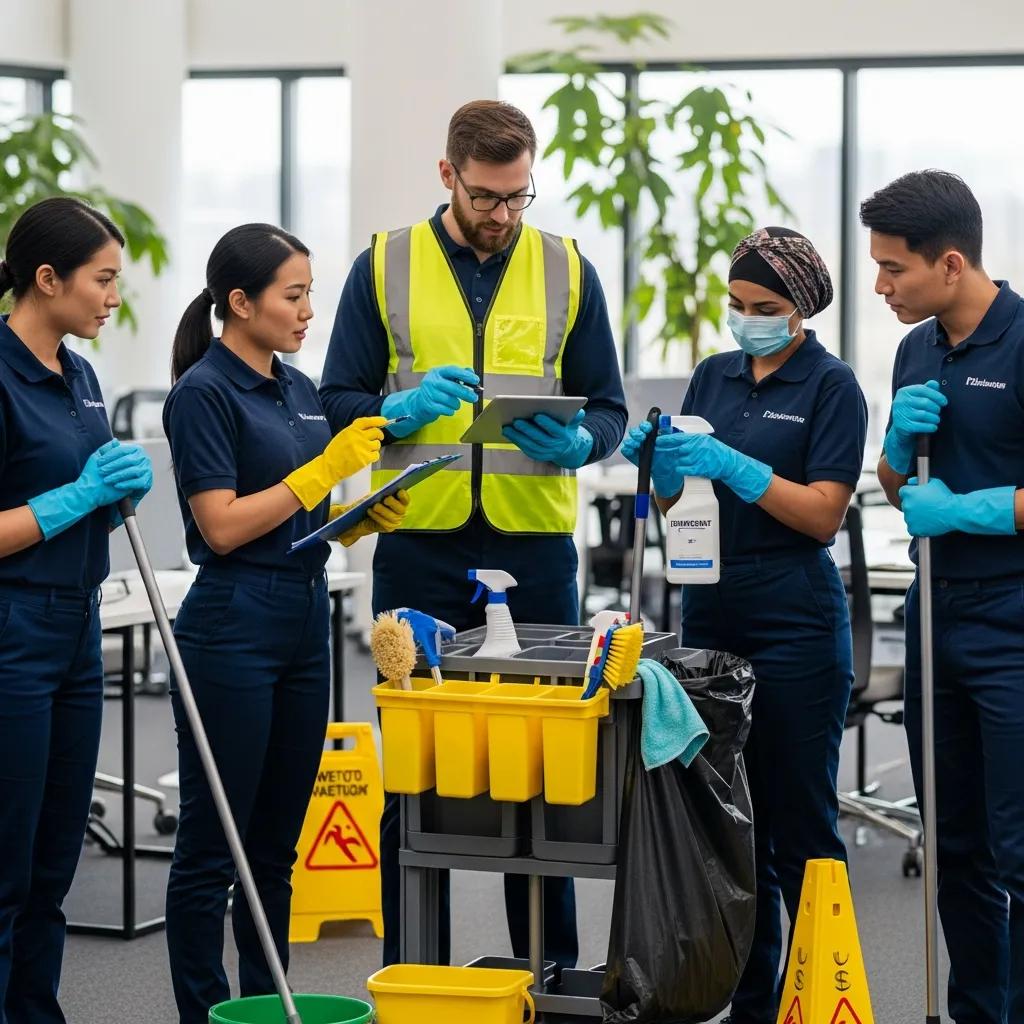
Master Workplace Risk Assessment: Proactive Strategies for Effective Safety Management
Workplace safety is a critical concern for organizations, particularly in the cleaning industry where hazards are prevalent. A comprehensive workplace risk assessment is essential for identifying potential dangers and implementing effective safety management strategies. This article will explore proactive strategies for workplace risk assessment, focusing on hazard identification methods, risk mitigation techniques, and compliance with safety protocols. By understanding these elements, organizations can significantly reduce workplace injuries and enhance overall safety.
In this guide, we will cover essential hazard identification methods, effective risk mitigation techniques, key occupational safety protocols specific to Michigan, and the integration of industrial hazard management with cleaning service operations. Each section will provide insights into best practices and actionable strategies to foster a safer work environment.
What Are the Essential Hazard Identification Methods in Cleaning Services?
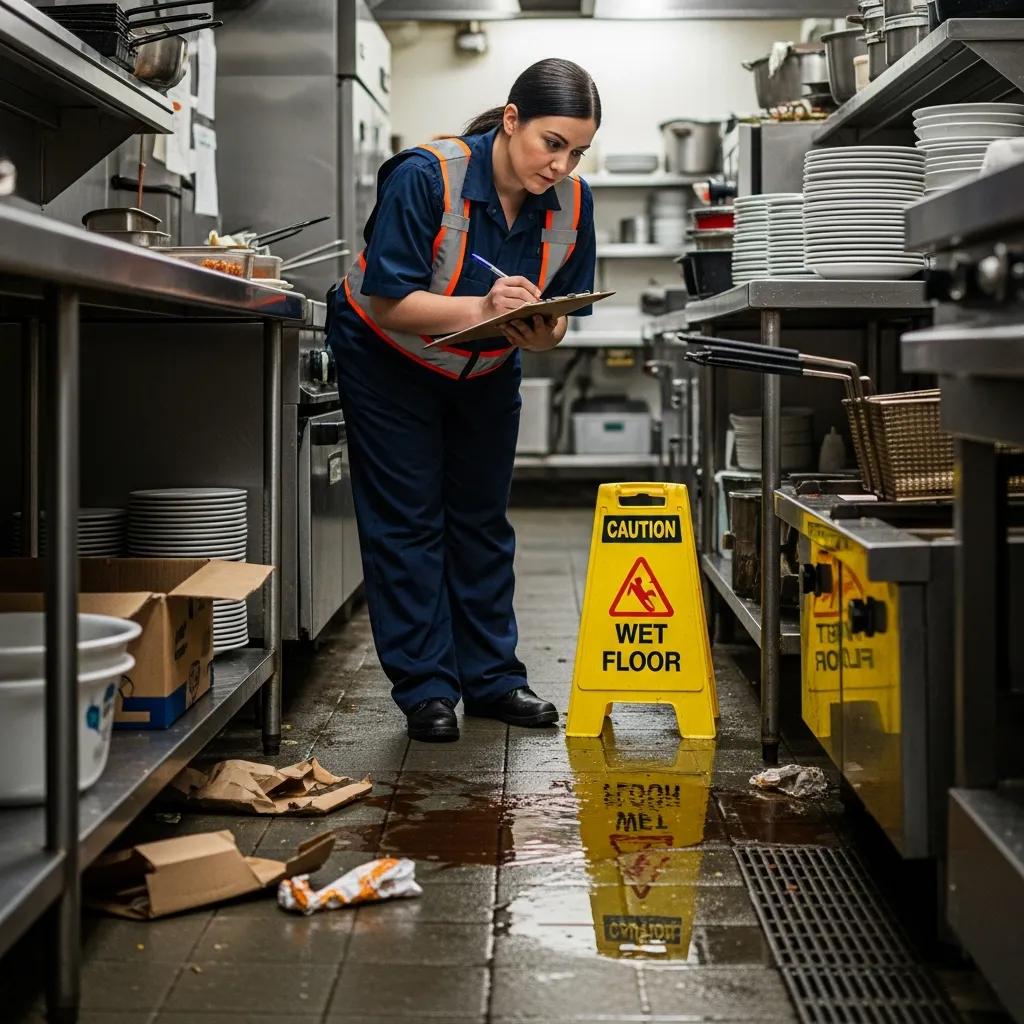
Hazard identification is the first step in ensuring workplace safety, particularly in cleaning services where various risks are present. This process involves recognizing potential hazards that could cause harm to employees or clients. Effective hazard identification methods include regular inspections, employee feedback, and risk assessments tailored to specific cleaning tasks. By systematically identifying hazards, organizations can prioritize safety measures and allocate resources effectively.
How Do We Detect and Evaluate Workplace Hazards?
Detecting and evaluating workplace hazards involves several techniques that ensure a thorough assessment. Common methods include:
- Visual Inspections: Regular walkthroughs of the workplace to identify visible hazards such as spills, clutter, or damaged equipment.
- Employee Reports: Encouraging staff to report unsafe conditions or near-miss incidents, fostering a culture of safety.
- Risk Assessments: Conducting formal assessments to evaluate the likelihood and severity of identified hazards, allowing for informed decision-making.
These techniques are crucial for maintaining a safe working environment and should be conducted regularly to adapt to changing conditions.
Which Cleaning Industry-Specific Risks Require Special Attention?
The cleaning industry faces unique risks that require special attention to ensure employee safety. Key risks include:
- Chemical Exposure: Many cleaning products contain harmful chemicals that can lead to respiratory issues or skin irritation. Implementing eco-friendly and non-toxic cleaning products can mitigate these risks.
- Slips, Trips, and Falls: Wet floors and cluttered spaces are common hazards in cleaning environments. Establishing clear communication systems for marking wet areas can help prevent accidents.
- Ergonomic Risks: Repetitive motions and improper lifting techniques can lead to musculoskeletal injuries. Providing training on proper lifting techniques and ergonomic tools can reduce these risks.
By addressing these specific risks, cleaning services can enhance their safety protocols and protect their workforce.
Research further emphasizes the importance of integrating ergonomic principles to reduce occupational injuries in cleaning roles.
Ergonomic Risk Reduction in Cleaning Occupations
If ergonomic principles can be integrated into existing cleaning industry tools, methods and work environments then efficiencies can be realized and the risk of occupational injuries will be reduced.
Musculoskeletal risk factors in cleaning occupation—
A literature review, R Kumar, 2008
How Can Risk Mitigation Techniques Enhance Occupational Safety Compliance?
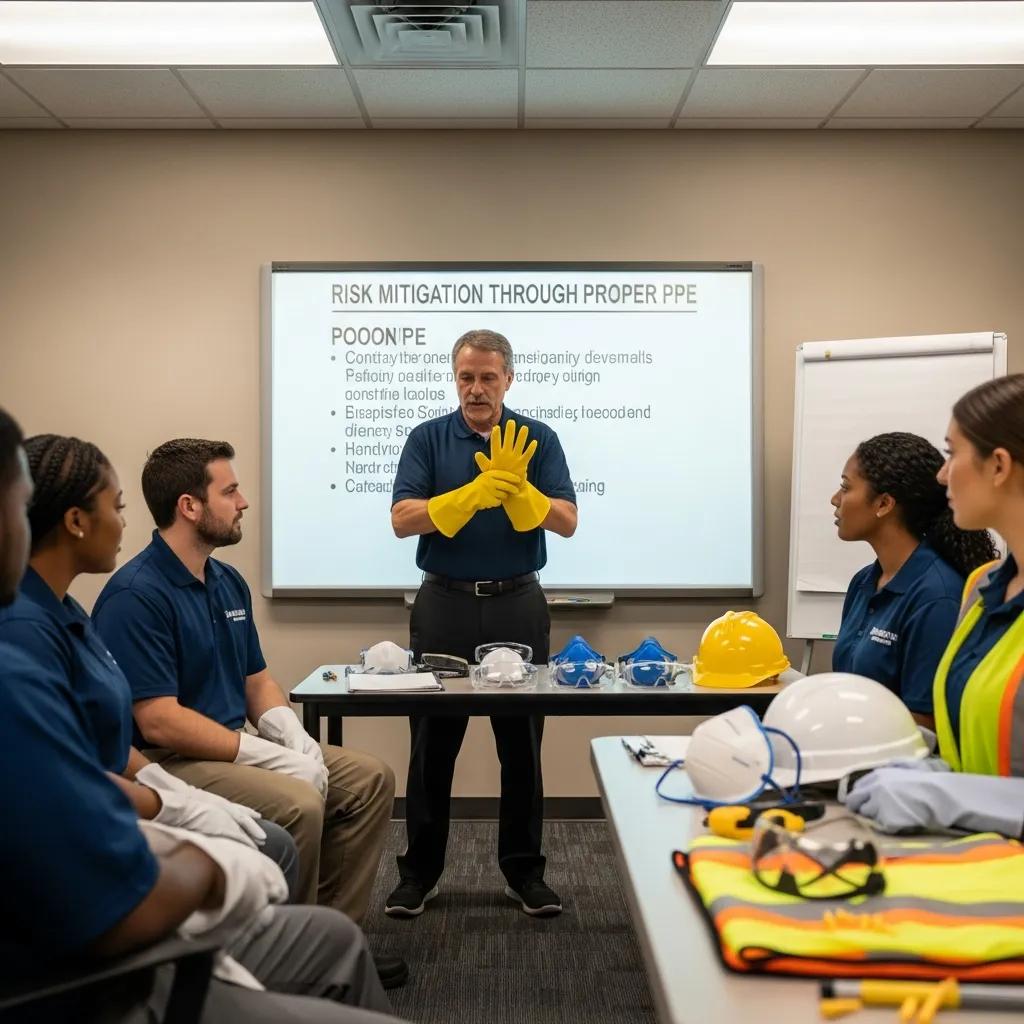
Risk mitigation techniques are essential for enhancing occupational safety compliance. These techniques involve implementing strategies to reduce or eliminate identified hazards, ensuring a safer workplace for employees. Effective risk mitigation can lead to improved compliance with safety regulations and standards.
What Are the Best Practices for Implementing Hazard Control Strategies?
Implementing hazard control strategies requires a systematic approach. Best practices include:
- Training Programs: Regular training sessions for employees on safety protocols and hazard recognition.
- Personal Protective Equipment (PPE): Providing appropriate PPE to employees based on the hazards they may encounter.
- Regular Audits: Conducting audits to assess the effectiveness of implemented safety measures and making necessary adjustments.
These practices not only enhance safety compliance but also foster a culture of safety within the organization.
What Are the Key Occupational Safety Protocols for Cleaning Services in Michigan?
Occupational safety protocols are vital for ensuring compliance with local regulations and protecting employees in the cleaning industry. In Michigan, specific protocols must be followed to meet safety standards.
Which Local Regulations Govern Workplace Safety Compliance?
Local regulations in Michigan dictate various safety requirements for cleaning services. These regulations cover aspects such as:
- Chemical Safety: Compliance with OSHA standards for hazardous materials.
- Employee Training: Requirements for safety training programs to ensure employees are aware of potential hazards.
- Reporting Procedures: Protocols for reporting workplace injuries and incidents to maintain transparency and accountability.
Understanding and adhering to these regulations is crucial for maintaining compliance and ensuring employee safety.
How Does Employee Safety Training Support Compliance and Career Development?
Employee safety training plays a significant role in supporting compliance and fostering career development. Training programs equip employees with the knowledge and skills necessary to recognize hazards and respond appropriately. Additionally, ongoing training can lead to career advancement opportunities within the organization, as employees become more knowledgeable and skilled in safety practices.
How Does Industrial Hazard Management Integrate with Cleaning Service Operations?
Industrial hazard management is essential for integrating safety practices into cleaning service operations. This approach involves a comprehensive understanding of potential hazards and the implementation of effective management strategies.
What Frameworks Support Effective Safety Risk Management?
Several frameworks support effective safety risk management in the cleaning industry, including:
- ISO 45001: An international standard for occupational health and safety management systems that provides a framework for improving employee safety.
- OSHA Guidelines: Regulations set forth by the Occupational Safety and Health Administration that outline safety requirements for various industries, including cleaning services.
- Risk Management Frameworks: Structured approaches that help organizations identify, assess, and mitigate risks effectively.
These frameworks provide a solid foundation for organizations to enhance their safety management practices.
How Do Structured Data and Safety Policies Build Customer Trust?
Structured data and well-defined safety policies play a crucial role in building customer trust. By transparently communicating safety protocols and compliance measures, cleaning services can demonstrate their commitment to safety. This transparency not only enhances customer confidence but also differentiates organizations in a competitive market.